A dream of mine has always been to organize a market. This winter, I was given the opportunity to explore that dream. Ever since I acquired “adult money” and moved away from home, the majority of my savings have been funneled into the frequent clothing, art, and flea markets I attended in my free time. The community, treasures, and various vintage items were what drew me into local markets. I’ve always thought I could just become a vendor at one of them, but put that on the back burner due to a lack of time.
Last summer, I had the opportunity to take over a community arts venue called Bathaus with my friends, and the dream of putting together a market, reignited. We primarily specialize in putting together punk shows, dance nights, but wanted to step into the market space to see where it could go. Over the span of months, we would briefly mention our hopes for putting on a winter market, and on 12/7, we finally executed. But how did IMC help me put together a market? It gave me the tools that resulted in a turnout of attendees, beyond what we ever expected. We started from nothing. No history of successful markets, just an underground venue with a history of successful shows; something I came to realize were two different target markets. So what did I do to put together a successful market?
At the start, I didn’t have a plan. I created a google questionnaire for vendors and wanted to test out interest in the market by an initial instagram post (aided with my knowledge of what a proper questionnaire should include, based on what I learned from my market research class), aimed towards finding vendors for our market. The post was received well; I started noticing an influx of followers. In the first week, it gained 15k views, 422 likes, 331 shares, and 128 saves. We had 40 applications submitted to the form and my excitement grew. I started drafting a plan, mimicking what I knew from my IMC team’s campaign that we were working on for a WWU’s Finance Career Launch event.
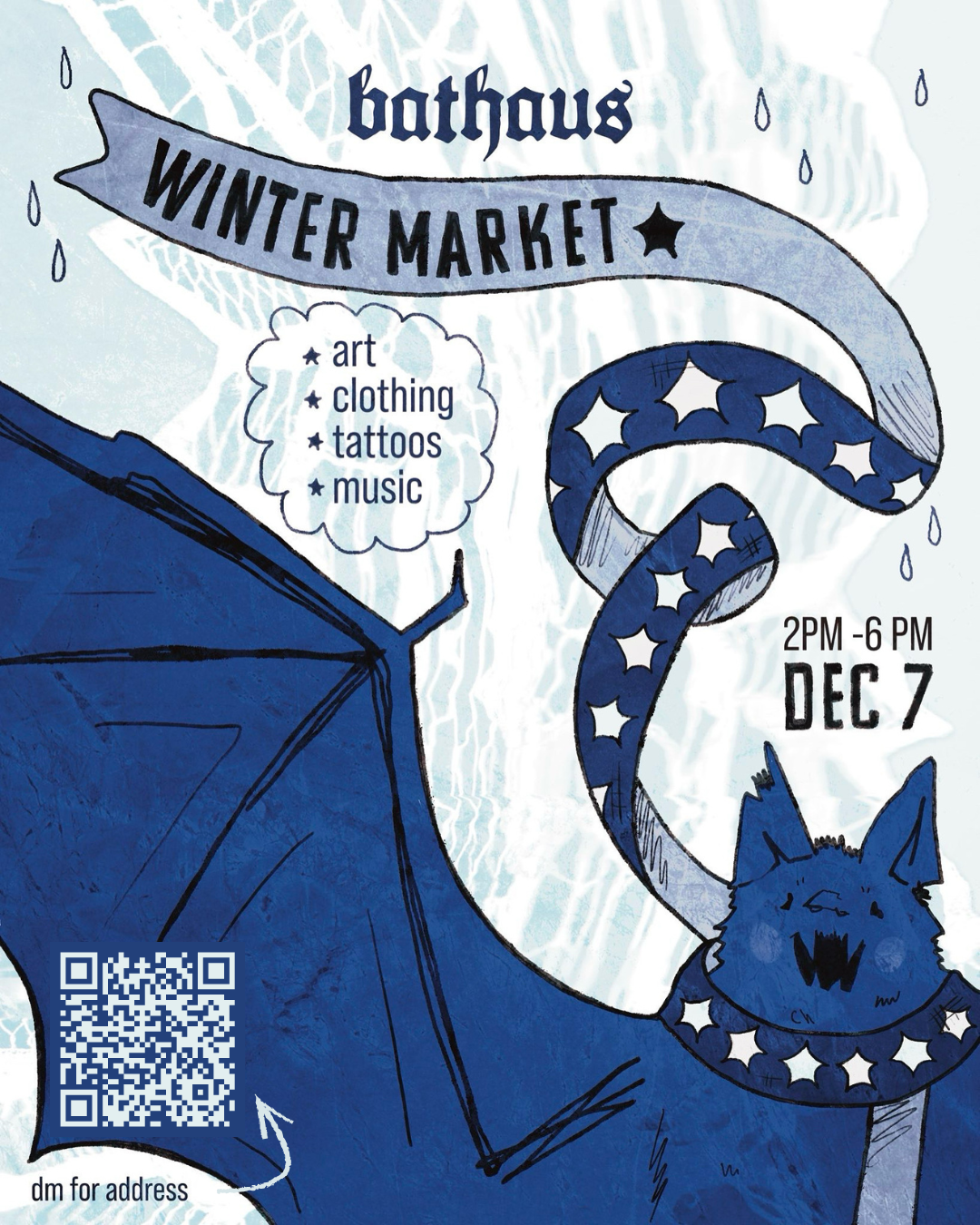
I outlined a posting schedule for what this market’s promotions should look like. I knew that the majority of promotions needed to be digital for the type of venue and target market we needed to cater towards (16-24 year olds in the Seattle area, interested in community and supporting local). However, I wanted to utilize our venue’s proximity to the University of Washington’s campus via physical flyers as well. I worked with another Bathaus staff member, a career artist who created a beautiful flyer, donning a cartoonish bat that would become our mascot, and become the start of the campaign we were going to base our winter market’s image around. We posted this flyer to our instagram account where it garnered 24k views, 500 likes, 187 shares, and 138 saves. The interest was growing and so were my plans. I wanted to take this brand image we had created with the flyer and utilize all of the colors, fonts, and mascot to announce a raffle giveaway that would promote the market further.
From what I’d learned from IMC, I knew that to create a lasting impact on our audience, they needed familiarity and as many reasons as possible, to buy into the event. The raffle was an opportunity to pull together our two target markets (DIY punk show goers, and small market goers) by offering free admissions to our shows for anyone who entered our raffles. They could gain admission to our raffle, by sharing the flyer on their Instagram stories for all of their followers to see and commenting under the post to boost our post’s engagement. We also offered unlimited entries, and a further chance at entering by showing up in person to the market, and entering in-person. The raffle was received well. We had show goers who spend, on average, $10-15 per show every single weekend, excited for the chance to save money for once. The raffle totaled 76 digital-based entries and 30 in-person entries, boosting our raffle post to 16k views and 211 likes. I noticed this raffle primarily drew in our current followers, utilizing a non-existent budget.
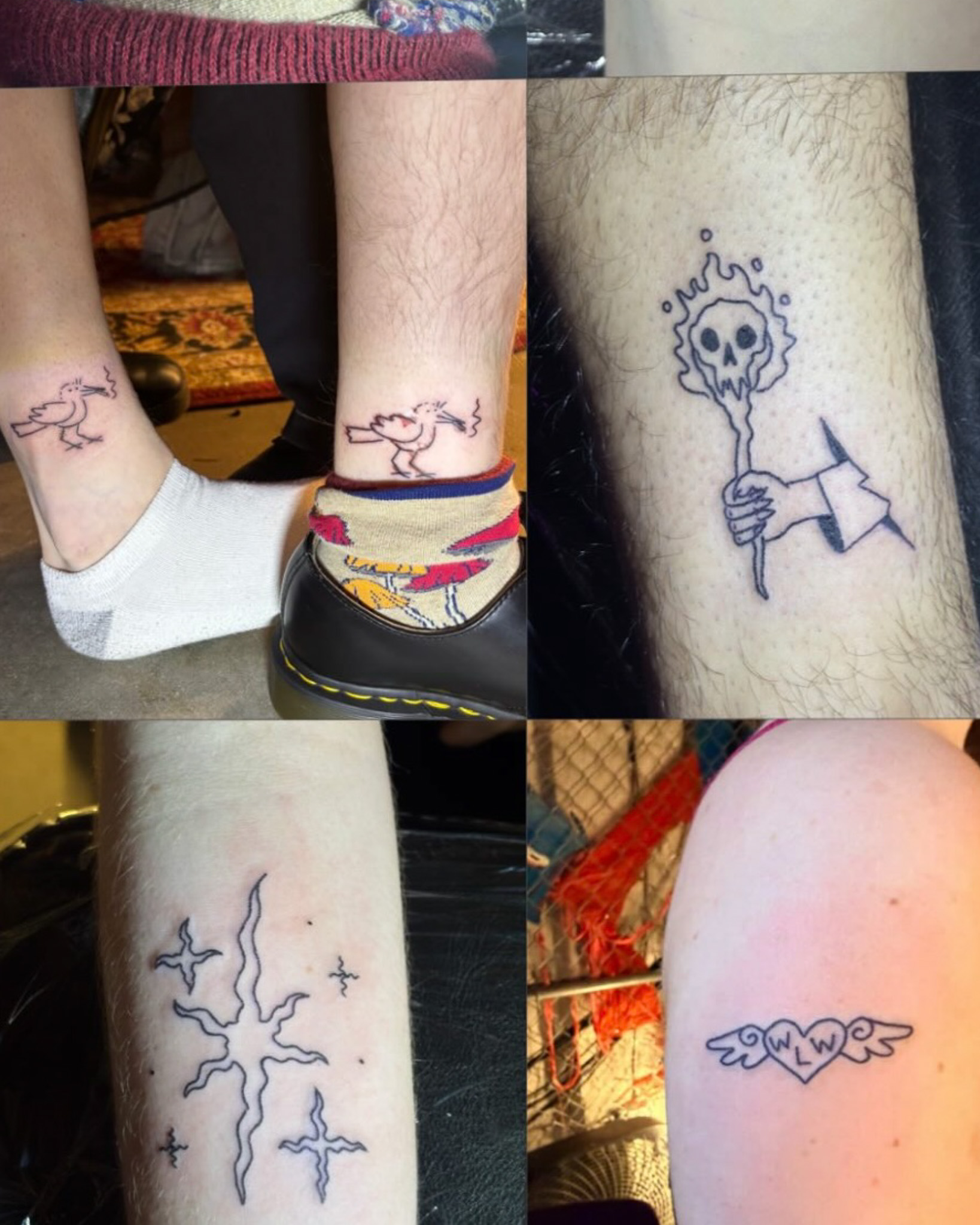
The next step of my plan involved creating hype around vendors and pulling in our vendor’s existing followers who didn’t follow us. Again, we utilized our friendly bat mascot, colors, and fonts to post three rounds of “vendor spotlights” that invited vendors to collaborate on the posts, pushing our event to their followers, as well as letting people know what types of things would be up for sale so there was less uncertainty of the event’s offerings. Our tattoo vendor promotions did the best, with the caption highlighting that there would be tattoos up for grabs for as little as $25, a rarity for quality tattoos nowadays. The post got 15k views, with numerous comments showing potential attendees’ excitement for the event.
The final push of my plan was to implement the physical media promotions. I knew from IMC that I needed to utilize multiple channels however I could. I printed 70 physical flyers of the same digital flyer we posted to our instagram and strategically placed them in high traffic areas on UW’s campus. We brought any leftover flyers to a huge show we were putting on the night before the market, as a last effort to catch the 400 attendees who came to the show.
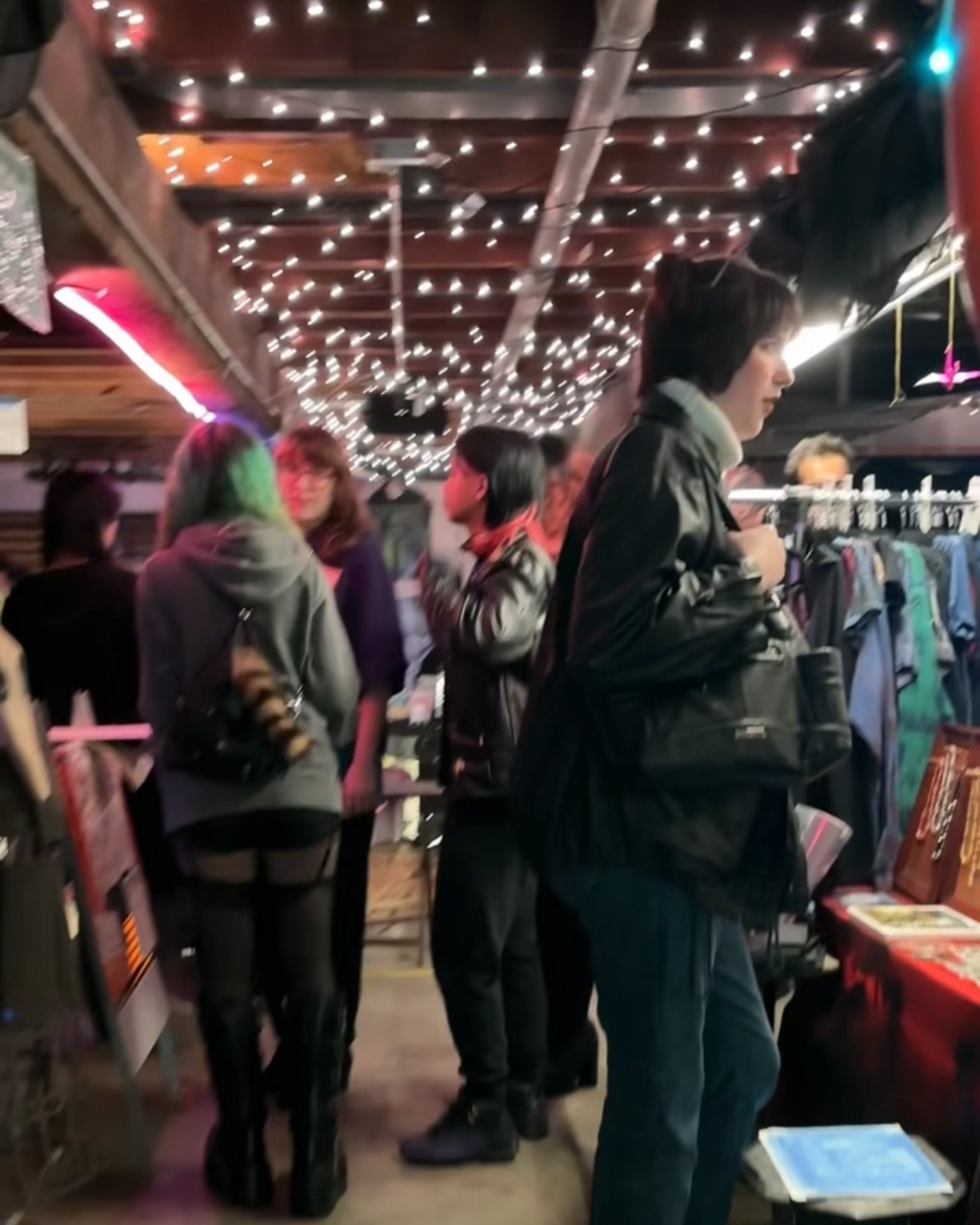
The day of the market was a whirlwind of stress and exhaustion, but also a fruitful display of community and overwhelming support. We had a line at the door, waiting for the market to open, then a steady flow of attendees the entire four hours. Our vendors gave us affirming words of thank you’s and appreciation for the community we had cultivated at Bathaus, as well as how smooth the operations of the market went compared to others. There was a lot I learned through putting together a market for the first time, but the biggest takeaway was that with no attendees, there is no market. The biggest reason our market went so well was that I started early and often with promotions and utilized various channels and types. I don’t think I would have outlined a posting schedule, planned a raffle, or thought as strategically as I did about this event’s promotions, if I wasn’t taking IMC at the same time, guiding me through this process. I wanted to use this market as a test run for what I could truly accomplish through marketing efforts, and it paid off in the end. My first solo-ran campaign was a success, but there’s always more to learn. Til next time…